WPS Conference Report, with Analysis by Ja Jan Chong
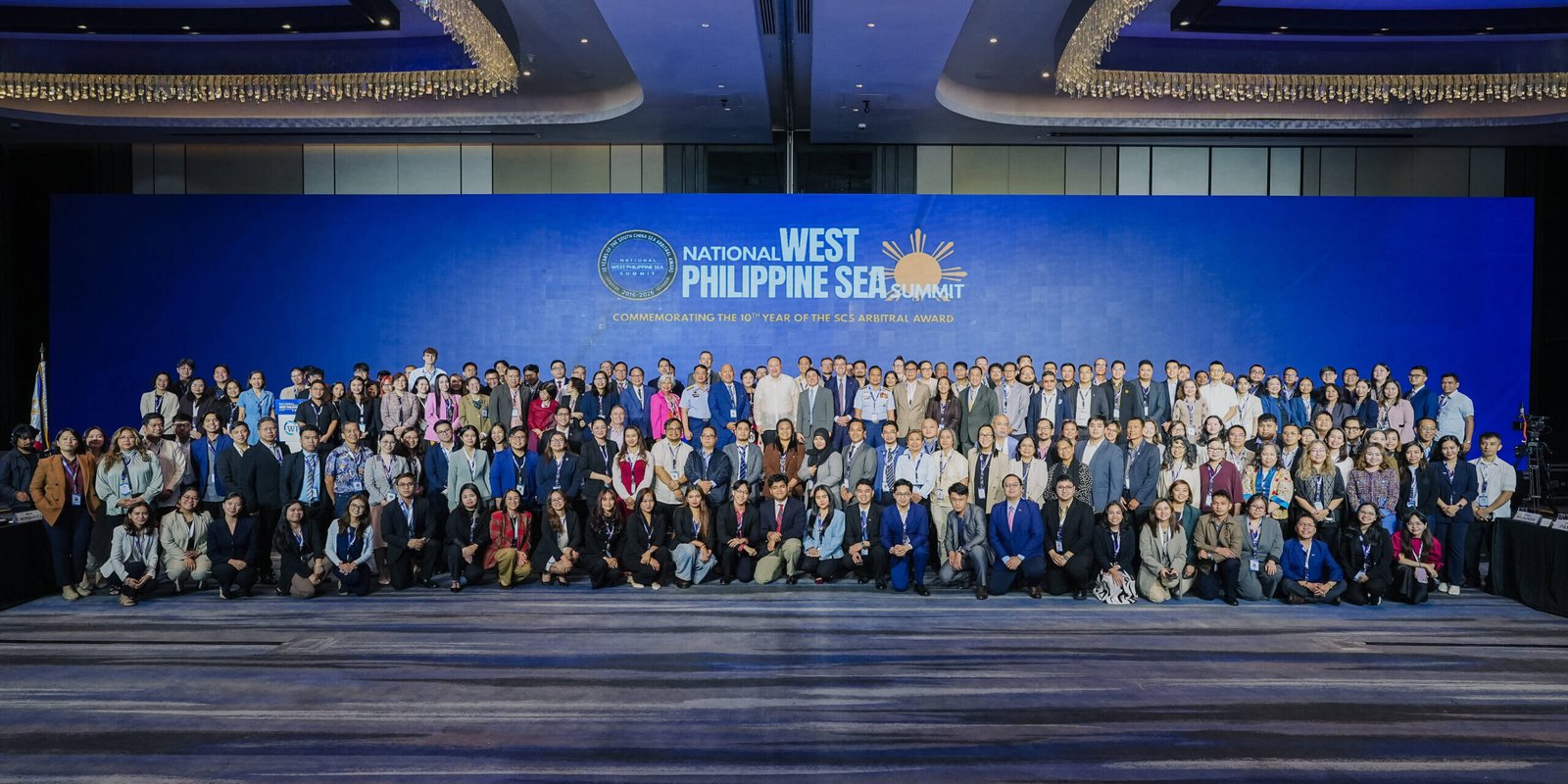
To help advance the region’s shared interests in a free, open, secure, and rules-based maritime order, the second iteration of The Manila Dialogue on the South China Sea was convened on November 5-7, 2025. The dialogue gathered over 270 of the most influential foreign policy experts, thought leaders, academics, government officials, and maritime practitioners from at least 25 countries around the world. Delegates debated issues, pitched innovative ideas, and offered recommendations to ensure that the rule of law, not coercion and the use of force, prevails in resolving disputes, thus safeguarding regional peace and stability. In pursuit of the dialogue’s goals, plenary and parallel sessions were convened over two days:
1: History Versus International Law? – Understanding Historic Rights and Modern Maritime Zones in the South China Sea
2: Diplomatic Roundtable – The South China Sea as ‘Global Commons
Disinformation and Influence: Addressing the Challenge of Malign Information OperationsA Konrad-Adenauer-Stiftung Special Working Lunch Roundtable (By Invitation Only/Chatham House Rule)
3: Securing Submarine Cables in the South China Sea – A Konrad-Adenauer-Stiftung (KAS) Philippines Special Plenary Session
4: Freedom of Navigation and the Rule of Law through Cross-Regional Defense Cooperation
Special Roundtable Discussion: Enhancing Security Cooperation for a Free, Open and Rules-based South China Sea
5: Transparency as Policy – Safeguarding the Information Space Against Malign Influence Operations
Parallel Session A: The Nexus of Maritime Security and Economic Security
Parallel Session B: Assessment of Dispute Management and Risk Reduction in the South China Sea
Special UNODC Lunch Roundtable: Advancing the ASEAN Coast Guard Forum (ACGF) as an ASEAN Regional Mechanism
6: Maritime Capacity-Building for a Rules-based, Equitable and Sustainable Maritime Order in the Indo-Pacific
7: Takeaways – Fireside Chat on the South China Sea and Perspectives on Defending the Rules-based Order