National West Philippine Sea Summit Highlights Countering Disinformation on 10th Anniversary of Landmark Arbitral Award
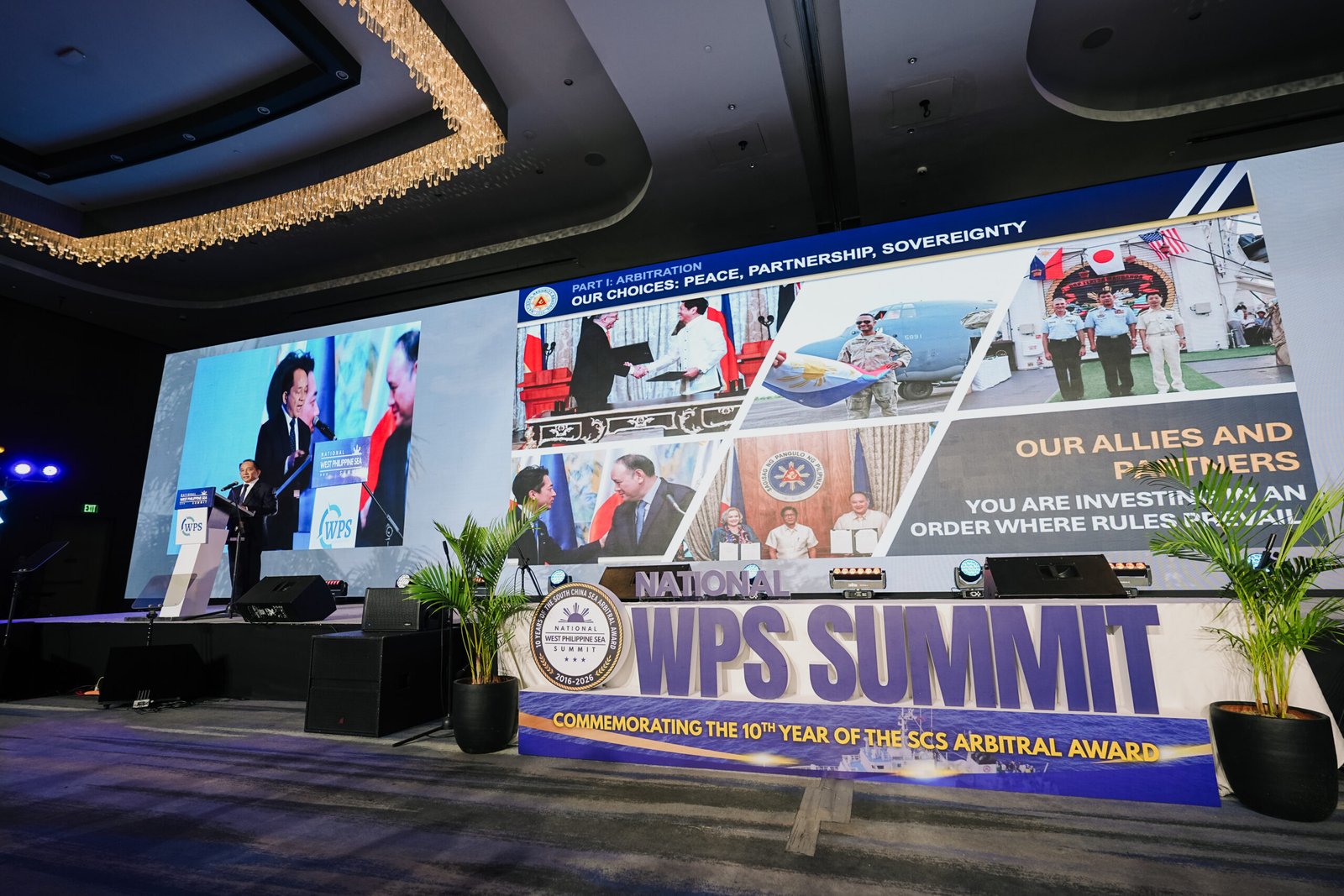
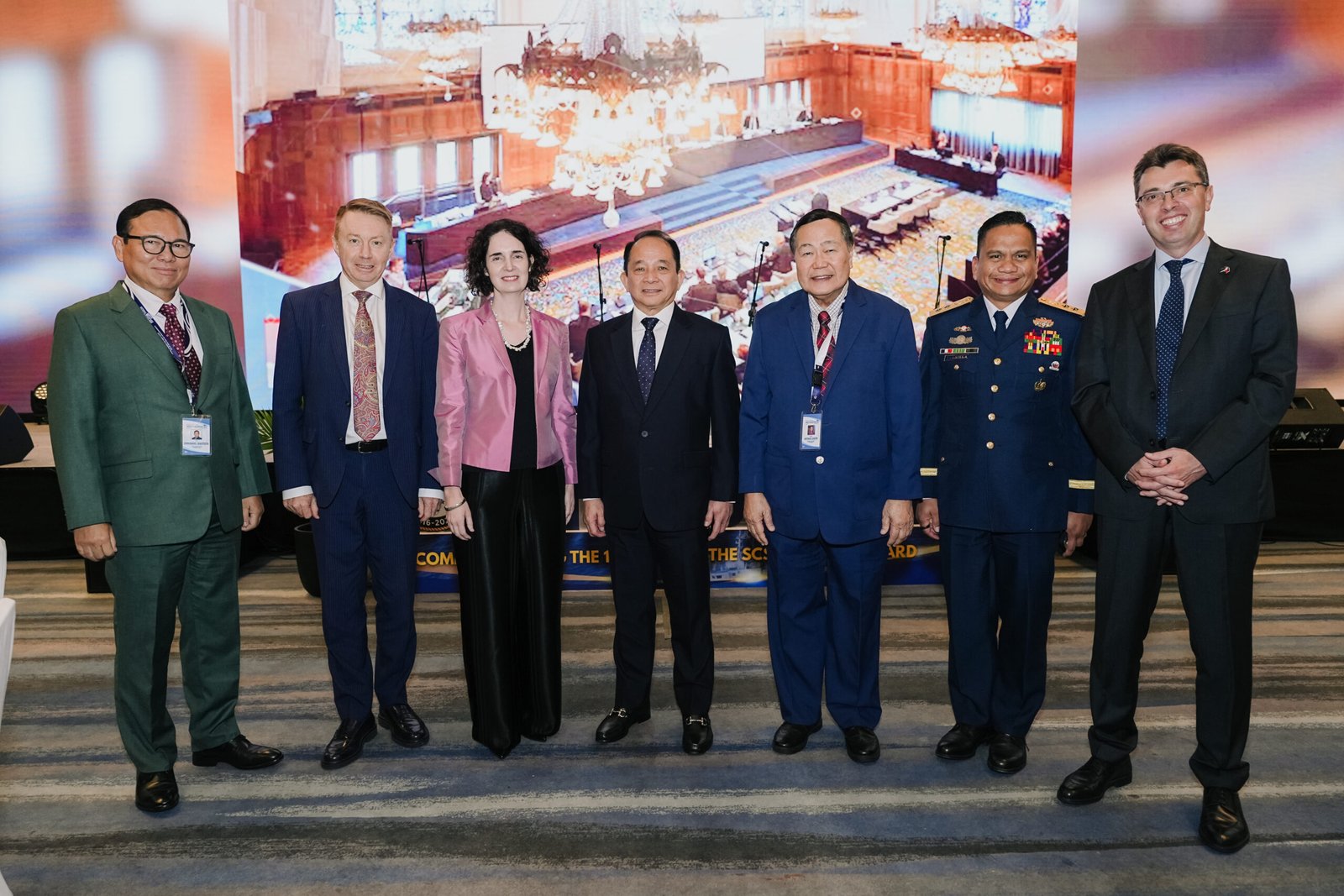
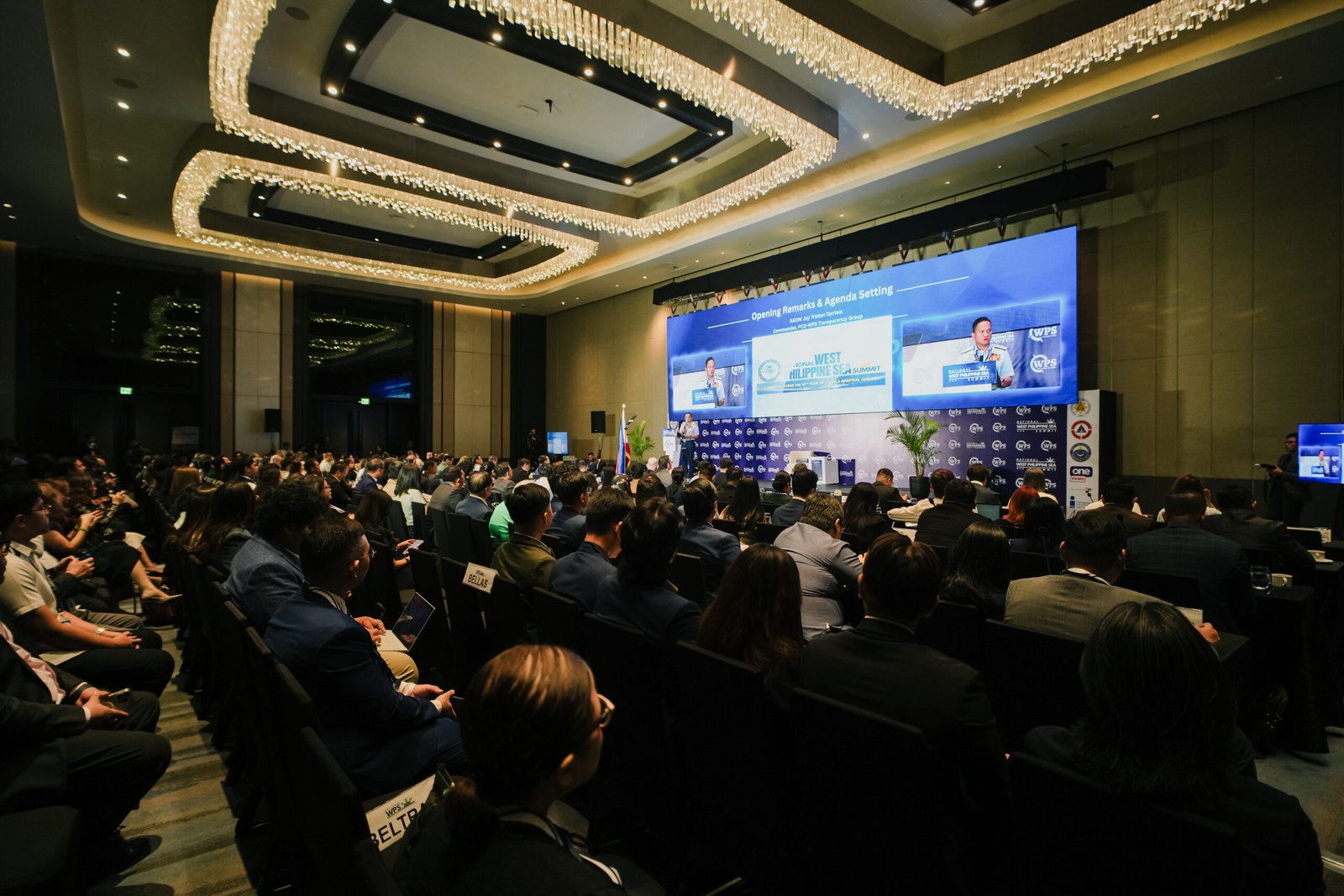
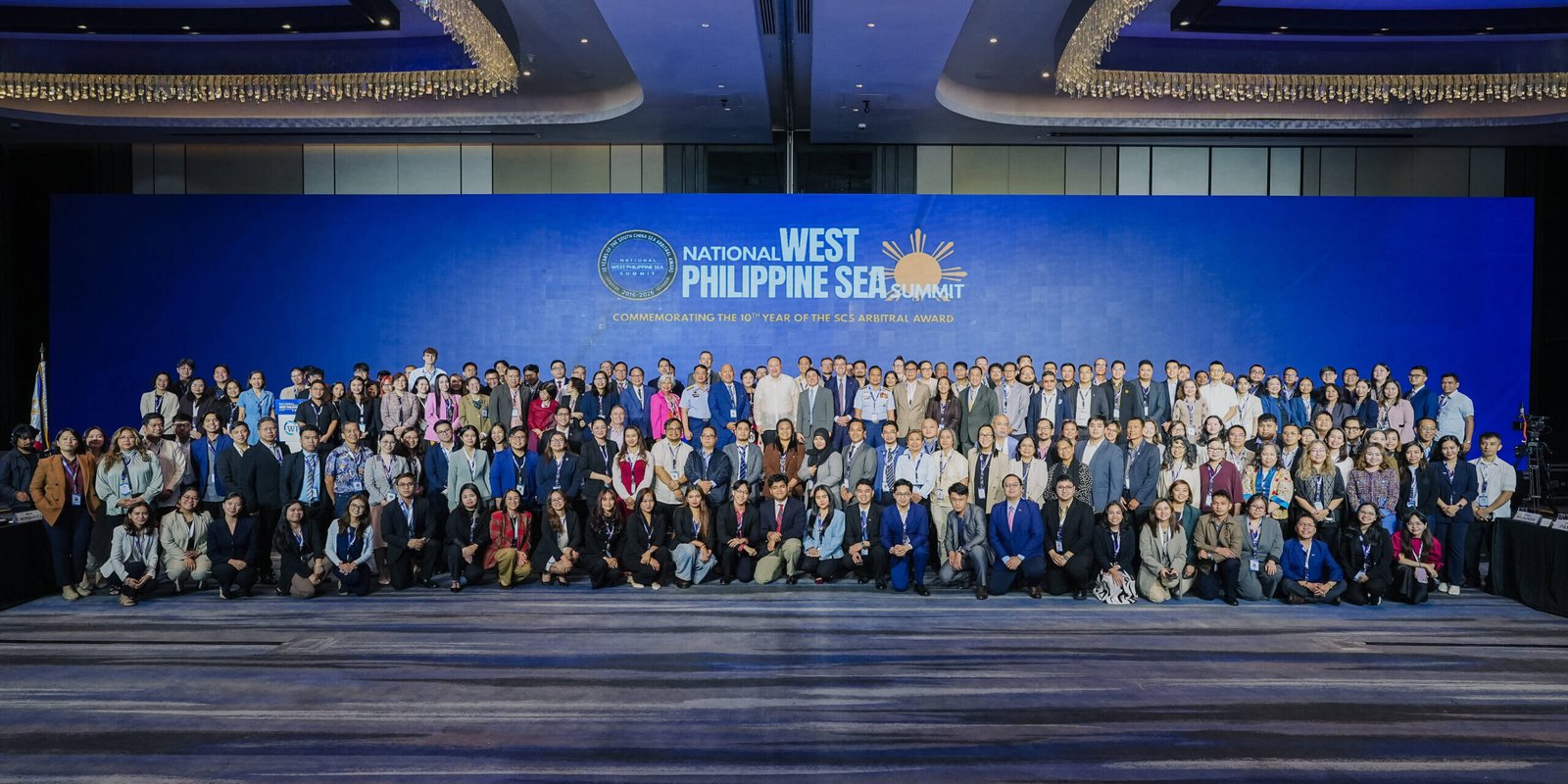
MANILA, Philippines — As the Philippines commemorates the 10th anniversary of the landmark 2016 South China Sea Arbitral Award, WPS Foundation in collaboration with the National Task Force–West Philippine Sea, government agencies, academia, civil society, and the private sector, opened the two-day National West Philippine Sea Summit on July, 8 Wednesday at Conrad Manila.
While commemorating one of the country’s most significant legal and diplomatic victories, this year’s Summit places a strong focus on the information domain, recognizing that the defense of Philippine maritime rights is not confined to the waters of the West Philippine Sea but also extends to the battle against disinformation, misinformation, and foreign information manipulation.
The Summit brings together policymakers, legal experts, diplomats, security practitioners, academics, youth leaders, and stakeholders from across sectors for capacity-building lectures, policy dialogues, and a town hall discussion on the West Philippine Sea, the United Nations Convention on the Law of the Sea (UNCLOS), the 2016 Arbitral Award, and Philippine approaches to China policy.
Speaking during the commemorative dinner at the end of the Summit’s first day, National Security Adviser Eduardo Oban emphasized that today’s challenges extend beyond the maritime domain.
“The pressure does not stop at the waterline. It reaches into our information space, where narratives are seeded to confuse our public and fracture our unity; into our digital infrastructure, where our institutions are probed by hostile actors; and into our skies, where Philippine patrol aircraft flying lawful missions over our own waters have been shadowed and intercepted,” he told the audience.
“The waters of legal discourse—once clear—are now deliberately clouded by fake news, coordinated misinformation, and sophisticated Foreign Information Manipulation and Interference. This is what twenty-first century coercion looks like. It is rarely a single confrontation. It is a thousand small tests, repeated patiently, designed to discover whether a nation’s resolve erodes faster than its patience. Ours has not. Ours will not,” Secretary Oban added.
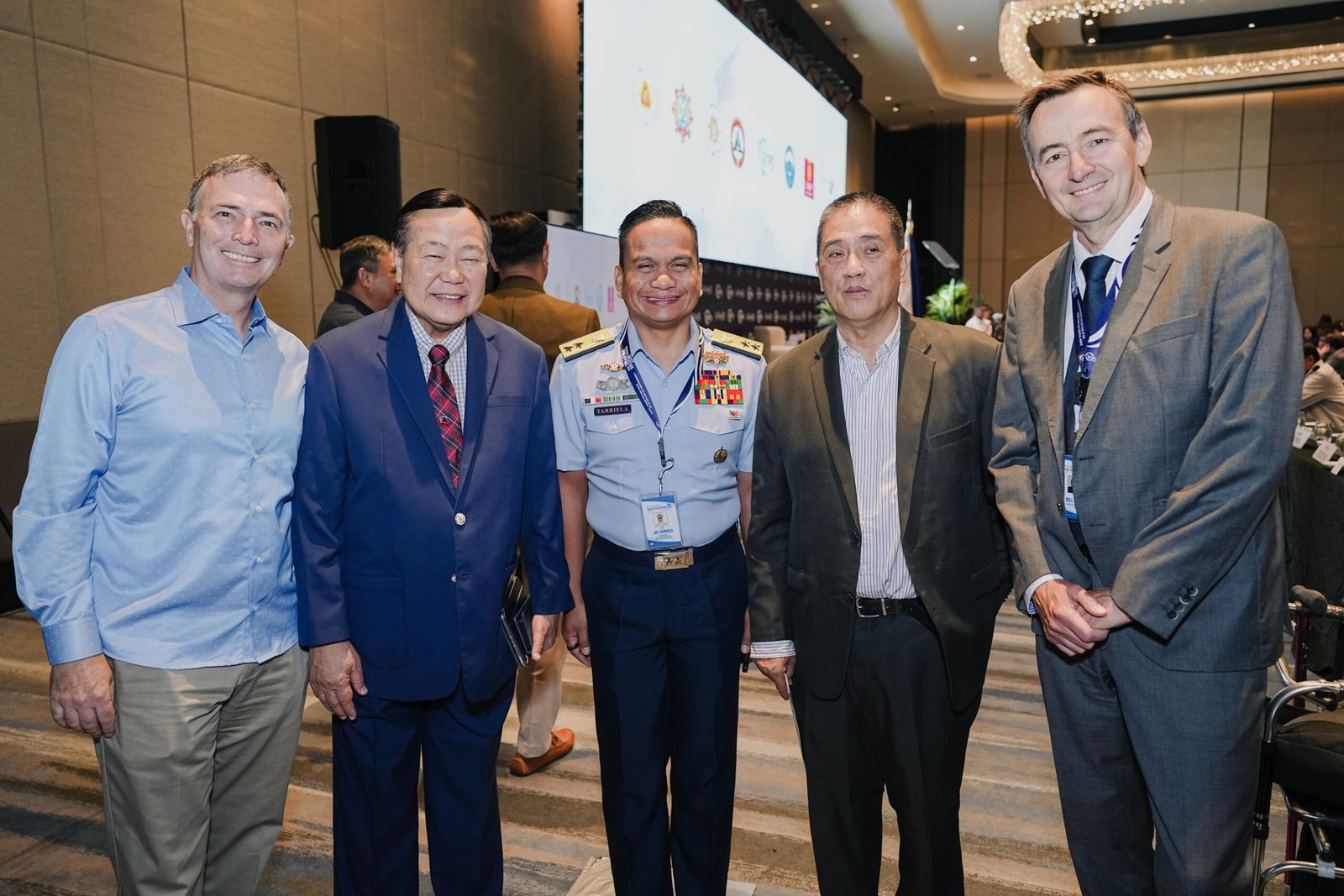
Philippine Coast Guard spokesperson for the West Philippine Sea Rear Adm. Jay Tarriela said that preserving the gains of the 2016 Arbitral Award requires sustained efforts to counter disinformation and promote fact-based public discourse.
“The West Philippine Sea is not only a contest over territory or maritime entitlements or operations at sea. it is also a contest fought in the information space. For years, we have watched a persistent effort to distort what UNCLOS says to diminish the 2016 Arbitral Award and to lend legitimacy to claims that have no basis in the international law. Disinformation erodes public confidence, muddles our national debate and clears the ground for foreign influence to take root. The most effective way to keep the Arbitral Award alive is to keep the Filipino people informed.”
This was echoed by WPS Foundation President and CEO Dr. Jeffrey Ordaniel, who stressed that public understanding is essential to protecting the country’s sovereign rights.
“We cannot defend our rights if our people are confused about what those rights are. Everyday, Chinese embassies around the world, amplified by propaganda networks and malign influence operations, wage coordinated campaign discredit the Arbitral Award. But the reality is more troubling. The Chinese Ministry of Foreign Affairs and PRC post aggressively on social media to undermine the Award…This is why the truth matters. We cannot our rally our people around what is obscured, distorted or deliberately misrepresented,” Ordaniel said.
Catch the Day 1 highlights here.
Watch the full summit sessions here.